

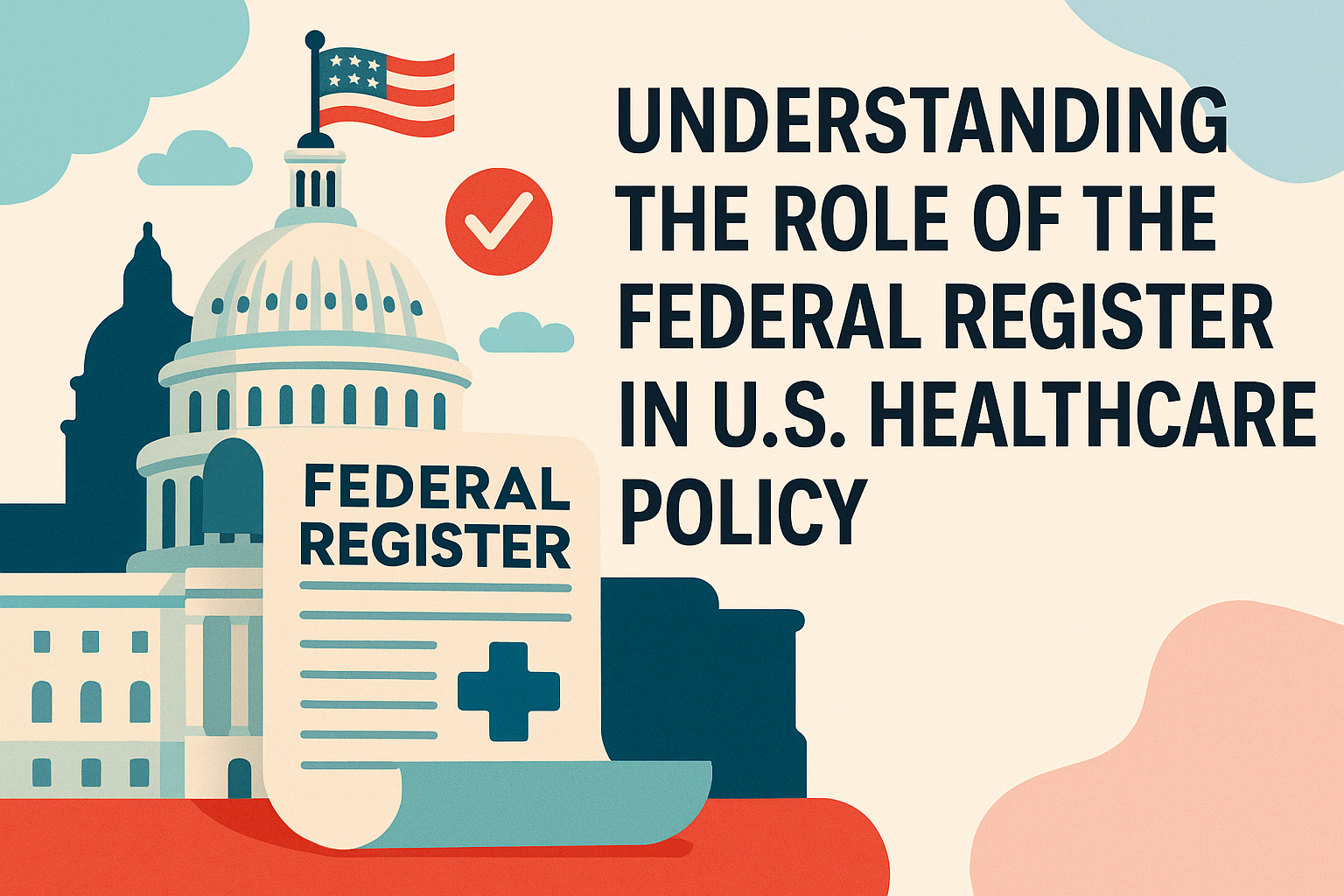
Understanding the Role of the Federal Register in U.S. Healthcare Policy
The Federal Register serves as a crucial tool in the dissemination and communication of U.S. government regulations, including those that impact healthcare policy. As the official journal of the federal government, it provides a comprehensive and authoritative source for new rules, proposed rules, and notices of federal agencies and organizations, as well as executive orders and other presidential documents.
For healthcare professionals, policymakers, and stakeholders, the Federal Register is indispensable for staying informed about changes that can affect healthcare delivery, insurance, and patient care standards. This article explores the importance of the Federal Register in shaping healthcare policy and its implications for the healthcare industry.
The Structure and Purpose of the Federal Register
The Federal Register is published every business day and serves multiple functions. It ensures transparency in government by providing public access to government actions and decisions. This transparency is vital in healthcare, where policy changes can have widespread impacts on public health and industry operations.
Each edition of the Federal Register includes four main types of documents:
- Rules and Regulations: These are legally binding directives that must be followed. In healthcare, these could include new compliance requirements for hospitals or changes in Medicare reimbursement rates.
- Proposed Rules: Before rules become final, they are often published as proposals to solicit feedback from the public. This participatory process allows healthcare entities to voice their concerns or support for specific regulations.
- Notices: These are announcements that may not have the force of law but provide important information, such as grant opportunities or public meetings.
- Presidential Documents: Executive orders and other presidential documents can have significant implications for healthcare policy, especially in areas like public health emergencies or national healthcare initiatives.
Impact on Healthcare Policy
The Federal Register plays a pivotal role in shaping healthcare policy in several ways. Firstly, it provides a platform for the introduction and modification of healthcare regulations. For instance, changes to the Affordable Care Act (ACA) and its implementation details are often published in the Federal Register, allowing stakeholders to understand and prepare for compliance.
Furthermore, the Federal Register facilitates public engagement in the regulatory process. Stakeholders, including healthcare providers, insurers, and patient advocacy groups, can submit comments on proposed rules. This feedback can influence the final outcome of regulations, ensuring that policies are well-informed and balanced.
Additionally, the Federal Register serves as an official record of government actions, which is crucial for legal and historical reference. Healthcare organizations often rely on this record to guide their compliance strategies and to understand the evolution of healthcare laws.
Navigating the Federal Register for Healthcare Information
For those in the healthcare sector, effectively navigating the Federal Register is essential. The online version of the Federal Register, available at federalregister.gov, offers advanced search capabilities that allow users to filter documents by agency, topic, and date. This functionality is particularly useful for healthcare professionals who need to stay updated on specific areas such as pharmaceuticals, medical devices, or health insurance regulations.
Healthcare organizations often designate compliance officers or legal teams to monitor the Federal Register regularly. By doing so, they can quickly adapt to new regulations, avoid penalties, and ensure that their practices align with the latest government standards.
Conclusion
The Federal Register is more than just a repository of government documents; it is a vital tool for transparency, public participation, and informed decision-making in healthcare policy. By providing comprehensive access to regulatory information, it empowers healthcare stakeholders to engage with the policy-making process actively and to adapt to changes with agility and foresight.
As the healthcare landscape continues to evolve, the Federal Register will remain an essential resource for ensuring that policies are developed and implemented in a manner that promotes public health and the effective delivery of healthcare services.
Sources
- Federal Register Home - The Daily Journal of the United States Government – This source provides the official journal of the federal government, including rules, proposed rules, and notices of federal agencies.









Be the first to comment.