
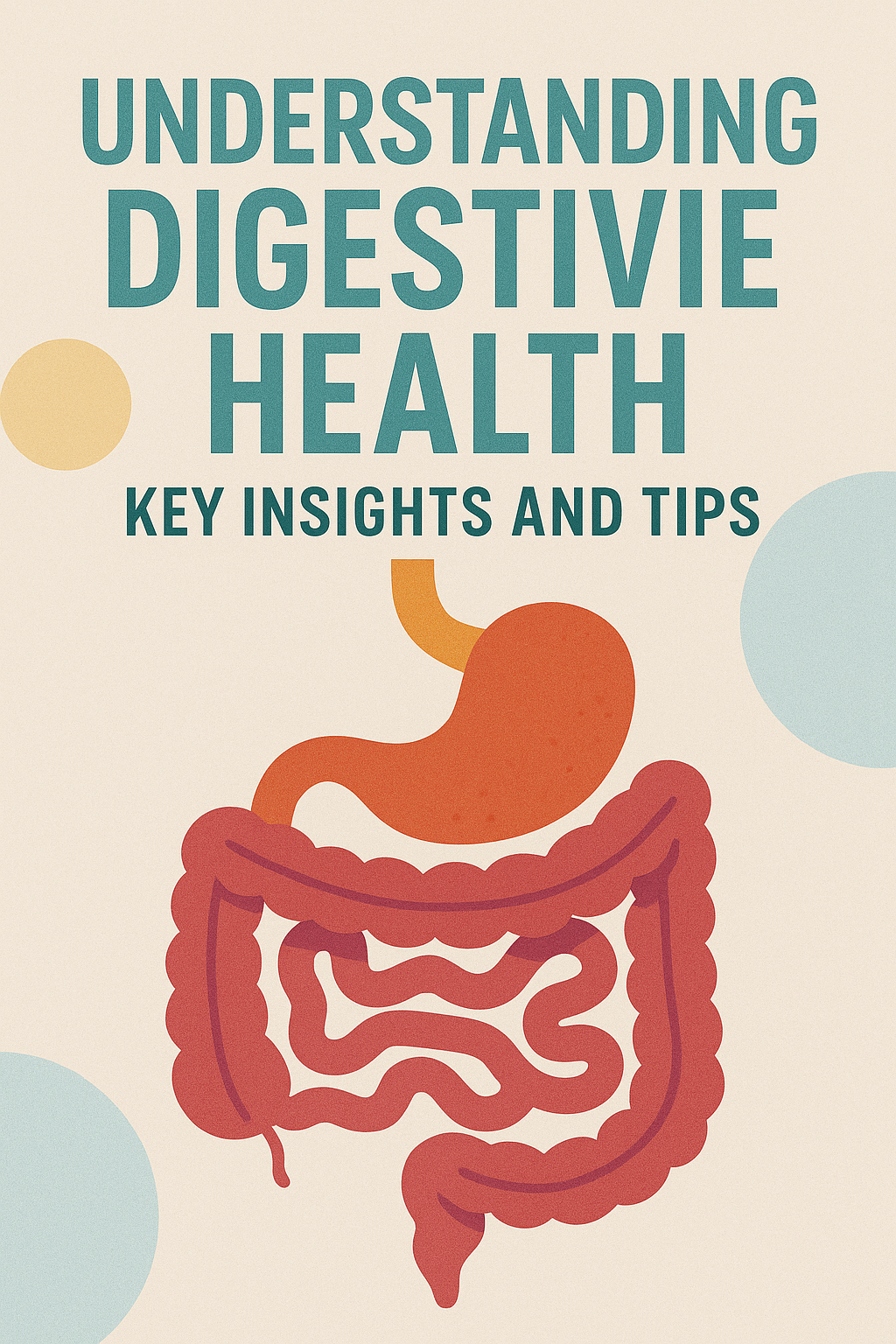
Understanding Digestive Health: Key Insights and Tips
Digestive health is a crucial aspect of overall well-being, impacting everything from nutrient absorption to immune function. A well-functioning digestive system ensures that the body effectively processes food, absorbs nutrients, and eliminates waste. However, digestive issues are common and can significantly affect quality of life.
Common Digestive Disorders
Several disorders can disrupt digestive health, ranging from mild to severe. Common issues include:
- Gastroesophageal Reflux Disease (GERD): A chronic condition where stomach acid frequently flows back into the esophagus, causing irritation.
- Inflammatory Bowel Disease (IBD): An umbrella term for disorders like Crohn's disease and ulcerative colitis, which involve chronic inflammation of the digestive tract.
- Irritable Bowel Syndrome (IBS): A common disorder affecting the large intestine, characterized by symptoms such as cramping, abdominal pain, bloating, gas, and diarrhea or constipation.
- Celiac Disease: An autoimmune disorder where the ingestion of gluten leads to damage in the small intestine.
- Constipation: A condition characterized by infrequent bowel movements or difficulty in passing stools.
Factors Affecting Digestive Health
Several factors can influence digestive health, including diet, lifestyle, and genetics. A diet high in fiber, fruits, and vegetables can promote a healthy digestive system. Conversely, a diet high in processed foods and low in fiber can lead to digestive problems.
Stress and lack of exercise can also negatively impact digestion. Stress can alter gut motility and increase the risk of conditions like IBS, while regular physical activity can help maintain a healthy digestive tract.
Maintaining Digestive Health
To maintain optimal digestive health, consider the following tips:
- Eat a balanced diet: Incorporate plenty of fruits, vegetables, whole grains, and lean proteins into your meals.
- Stay hydrated: Drinking enough water helps with digestion and prevents constipation.
- Exercise regularly: Physical activity aids in moving food through the digestive system and can reduce stress.
- Manage stress: Techniques such as meditation, yoga, and deep breathing can help reduce stress levels.
- Limit processed foods: Reduce intake of high-fat, processed foods that can slow digestion and lead to issues like GERD.
When to Seek Medical Advice
While many digestive issues can be managed with lifestyle changes, some symptoms warrant medical attention. Seek advice if you experience persistent abdominal pain, unexplained weight loss, difficulty swallowing, or blood in stools. Early diagnosis and treatment can prevent complications and improve outcomes.
Sources
- Digestive Health - Provides comprehensive information on maintaining digestive health and understanding common disorders.









Be the first to comment.