

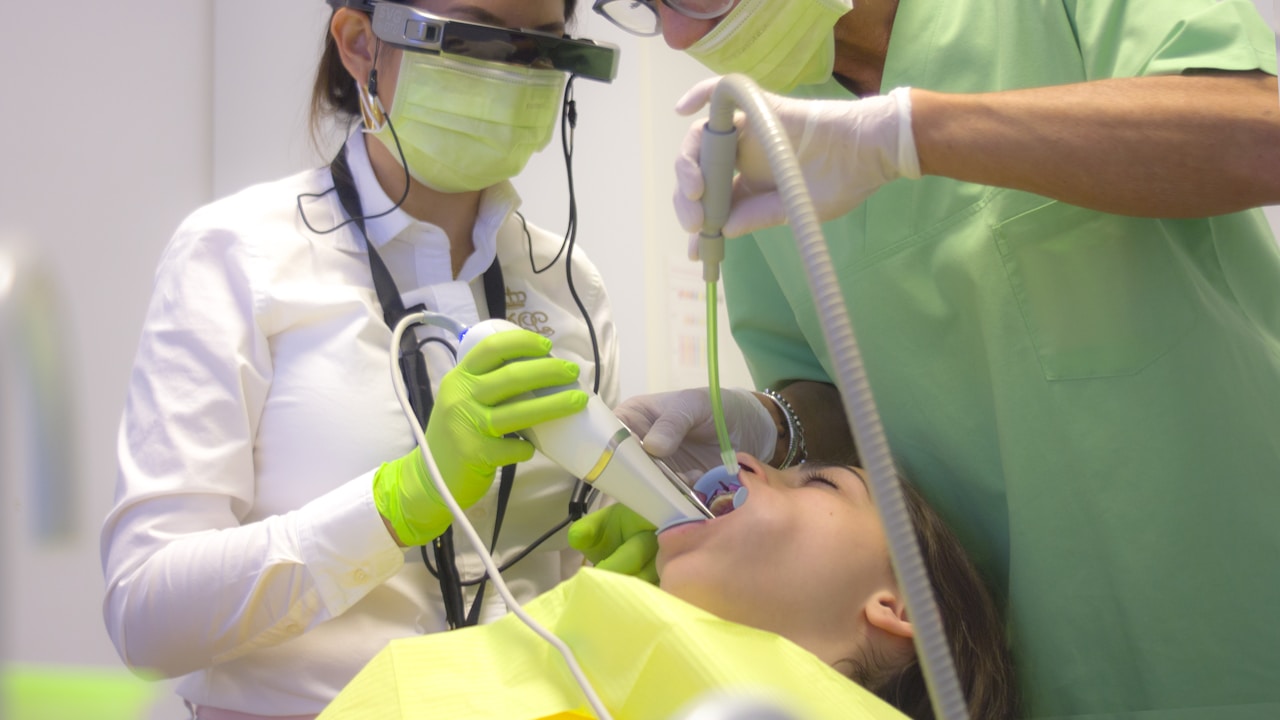
Understanding Dental Coverage Under Medicare
Dental coverage is a critical component of overall health care, yet it remains a complex issue for many, especially those relying on Medicare. Understanding what is covered and what isn't can help beneficiaries make informed decisions about their dental health.
Medicare and Dental Coverage
Medicare, the federal health insurance program primarily for people aged 65 and older, does not typically cover routine dental care. This includes services such as cleanings, fillings, tooth extractions, dentures, and other dental devices. The exclusion of dental care from Medicare's standard coverage is a point of contention for many seniors who find themselves needing these services as they age.
There are, however, some exceptions where Medicare may cover dental services. If dental care is deemed medically necessary as part of a covered procedure, Medicare may provide coverage. For example, if a patient requires a dental examination before a kidney transplant or heart valve replacement, Medicare might cover the dental exam because it is directly related to the covered medical procedure.
Alternatives for Dental Coverage
Given the limitations of Medicare, many beneficiaries seek alternative ways to cover their dental expenses. Some options include:
- Medicare Advantage Plans: Also known as Part C, these plans are offered by private companies approved by Medicare and often include additional benefits such as dental, vision, and hearing coverage. However, the extent of dental coverage can vary significantly between plans.
- Standalone Dental Insurance: Beneficiaries can purchase separate dental insurance plans that provide coverage for routine care and other dental services. These plans come with their own premiums, deductibles, and coverage limits.
- Discount Dental Plans: These are not insurance but offer discounts on dental services through participating dentists. They require a membership fee and can provide savings on a variety of dental procedures.
- Medicaid: For those who qualify, Medicaid may offer some dental benefits. Coverage varies by state, and not all states provide comprehensive dental benefits for adults.
Challenges and Considerations
While there are options available, navigating dental coverage can be challenging. Medicare Advantage plans vary widely in terms of what they cover and how much they cost. Standalone dental insurance plans and discount plans also have varying levels of coverage and costs, which can be confusing for consumers.
Additionally, many seniors live on fixed incomes, making the cost of additional insurance or out-of-pocket dental expenses a significant financial burden. This can lead to delayed or foregone dental care, which can exacerbate health issues and lead to more costly medical problems in the future.
The Importance of Dental Health
Maintaining good dental health is crucial for overall well-being. Poor oral health has been linked to various health conditions, including heart disease, diabetes, and respiratory infections. For seniors, maintaining oral health is particularly important as they are more susceptible to these conditions.
Regular dental check-ups and cleanings can help prevent the progression of dental disease and identify issues early when they are easier and less costly to treat. For this reason, understanding and securing appropriate dental coverage is an important aspect of healthcare planning for Medicare beneficiaries.
Sources
- Dental coverage - Provides an overview of dental coverage under Medicare and the exceptions where Medicare might cover dental services.








Be the first to comment.