

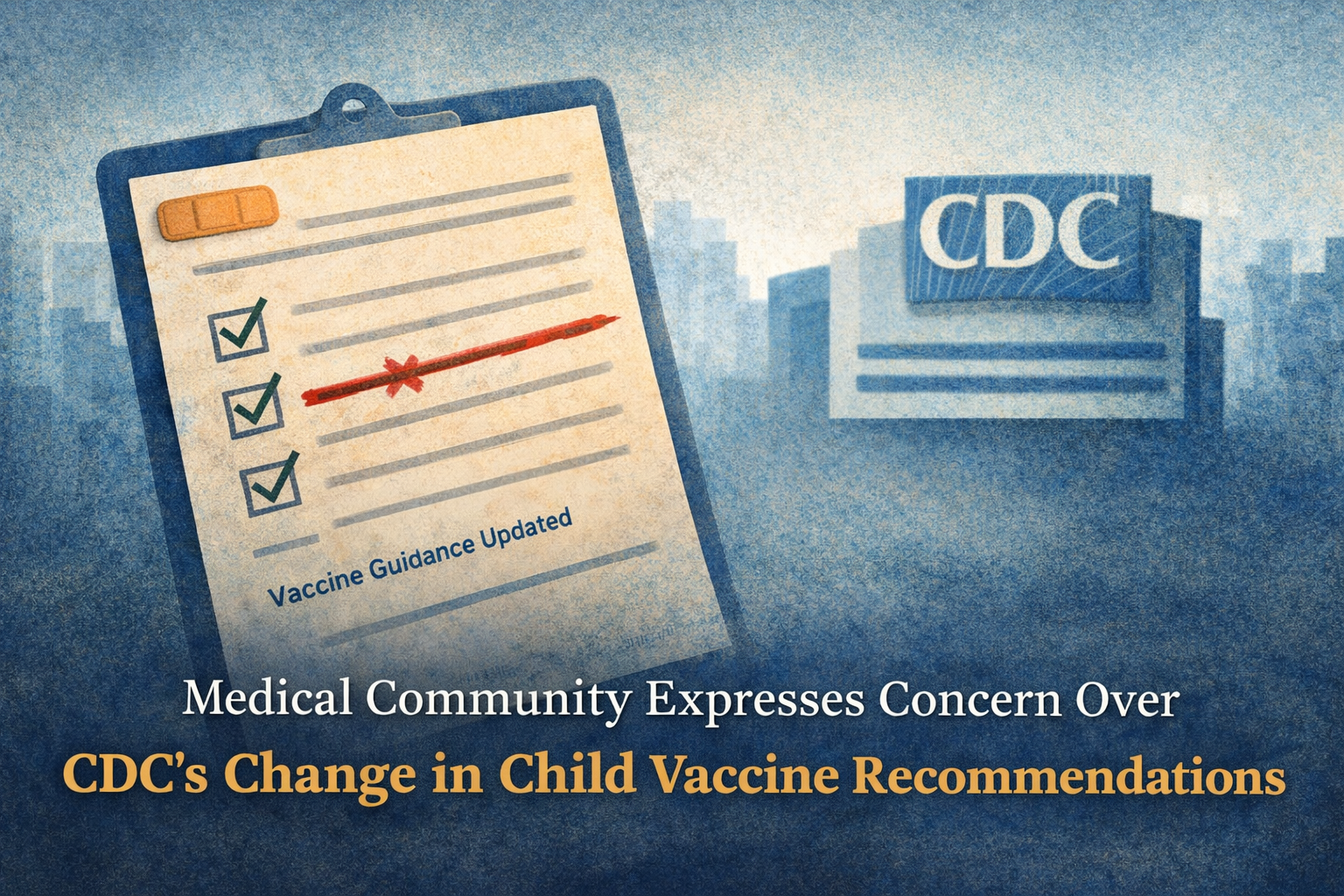
Medical Community Expresses Concern Over CDC's Change in Child Vaccine Recommendations
Recent changes by the Centers for Disease Control and Prevention (CDC) regarding childhood vaccinations have sparked significant concern among medical professionals. The CDC has decided to drop its long-standing universal endorsement for the hepatitis B vaccine, a move that has drawn criticism from various healthcare groups.
The CDC's previous recommendation was for all children to receive the hepatitis B vaccine shortly after birth. This universal approach aimed to prevent the spread of hepatitis B, a serious liver infection caused by the hepatitis B virus. The virus can lead to chronic infection and increases the risk of death from cirrhosis of the liver and liver cancer.
Medical experts argue that the removal of the universal recommendation could lead to lower vaccination rates and an increase in hepatitis B infections. They emphasize that universal vaccination at birth is a critical strategy to control and eventually eradicate hepatitis B. By ensuring that all newborns are vaccinated, the risk of transmission is significantly reduced, especially in cases where the mother's infection status is unknown.
Critics of the CDC's decision point out that selective vaccination policies could result in gaps in coverage. These gaps may occur because not all infants born to hepatitis B-positive mothers are identified. Additionally, the reliance on screening and targeted vaccination could miss children who are at risk due to unknown or undisclosed maternal infection status.
Health organizations are urging the CDC to reconsider its decision. They argue that maintaining a universal vaccination policy is essential for public health and the protection of future generations from hepatitis B. The potential public health implications of a shift away from universal vaccination are concerning, as they could undermine decades of progress in hepatitis B prevention.
While the CDC has not provided detailed reasons for the change, some speculate that it may be due to a desire to tailor vaccination strategies more closely to individual risk factors. However, the medical community stresses that the benefits of universal vaccination far outweigh the risks associated with a more selective approach.
In light of these developments, healthcare providers are encouraged to continue advocating for the hepatitis B vaccine and to educate parents about its importance. Ensuring high vaccination rates remains a top priority for preventing the spread of hepatitis B and protecting public health.
Sources
- Medical groups decry CDC's major child vaccine change - The article discusses the concerns raised by medical groups over the CDC's decision to drop the universal hepatitis B vaccine endorsement for children.









Be the first to comment.