
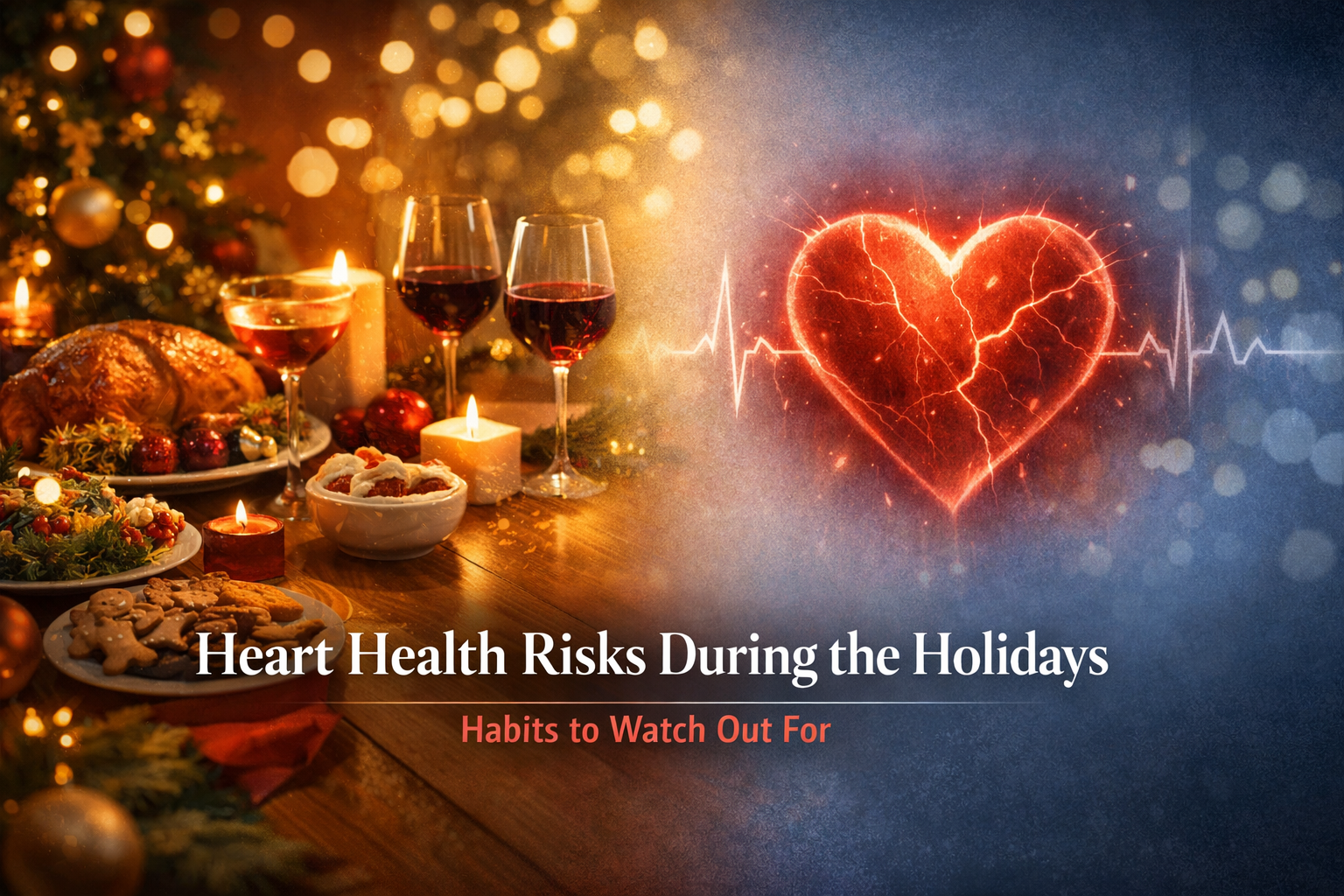
Heart Health Risks During the Holidays: Habits to Watch Out For
The holiday season is often associated with joy, family gatherings, and festive celebrations. However, certain holiday habits may inadvertently put your heart health at risk. Being aware of these risks and taking preventive measures can help maintain heart health during this time of year.
Overindulgence in Food and Alcohol
One of the most common holiday habits that can negatively impact heart health is overindulgence in rich, calorie-dense foods and alcoholic beverages. During holiday gatherings, it is not unusual for people to consume more food and drink than usual. This can lead to weight gain and increased blood pressure, both of which are risk factors for heart disease. Moderation is key; try to balance your meals with healthier options and limit alcohol intake to recommended levels.
Lack of Physical Activity
The hustle and bustle of the holiday season can lead to a decrease in regular physical activity. With busy schedules filled with shopping, parties, and family visits, exercise routines often take a back seat. Physical inactivity is a significant risk factor for heart disease, so it is important to find time for regular exercise. Even short, daily walks can help maintain cardiovascular health.
Stress and Its Impact
Holidays can be a source of stress for many people, whether due to financial pressures, family dynamics, or the sheer volume of activities. Stress can lead to increased heart rate and blood pressure, both of which can strain the heart. Finding ways to manage stress, such as through mindfulness, meditation, or simply taking time for oneself, can be beneficial for heart health.
Ignoring Symptoms
During the holiday season, people may be more likely to ignore symptoms of heart problems, attributing them to stress or fatigue. This can be dangerous, as early intervention is crucial in the event of a heart attack or other cardiac events. It is important to pay attention to warning signs such as chest pain, shortness of breath, or unusual fatigue, and seek medical attention if needed.
Sources
- These 4 Holiday Habits May Be Putting Your Heart at Risk - This article discusses common holiday habits that can negatively impact heart health.









Be the first to comment.