

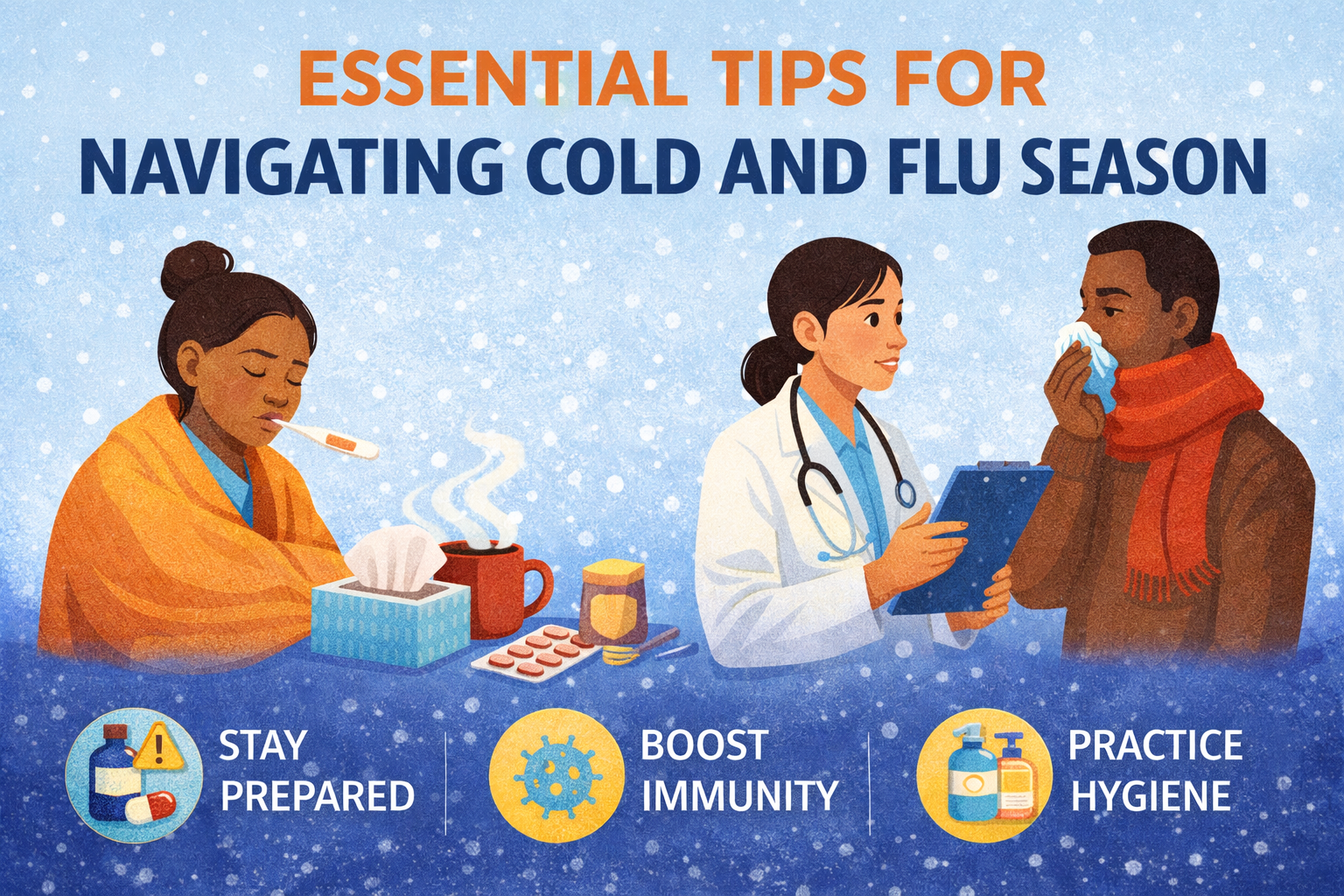
Essential Tips for Navigating Cold and Flu Season
As the cold and flu season approaches, it is crucial to equip yourself with the knowledge and tools necessary to stay healthy. Understanding how to prevent and manage these common illnesses can significantly reduce their impact on daily life.
Understanding Cold and Flu
Colds and flu are both respiratory illnesses caused by different viruses. While they share some symptoms, the flu tends to be more severe. Common cold symptoms include a runny nose, sore throat, and mild fever, whereas flu symptoms are often more intense, including high fever, body aches, and fatigue.
Prevention Strategies
Preventing the spread of cold and flu viruses involves several strategies. The most effective way to prevent the flu is through vaccination. The Centers for Disease Control and Prevention (CDC) recommends getting a flu vaccine each year as it is the best defense against flu viruses.
In addition to vaccination, practicing good hygiene is vital. Regular handwashing with soap and water, using hand sanitizers, and avoiding touching your face can help reduce the risk of infection. It's also advisable to maintain a healthy lifestyle, including a balanced diet, regular exercise, and adequate sleep, to strengthen the immune system.
Managing Symptoms
If you do catch a cold or the flu, managing symptoms effectively can ease discomfort and speed recovery. Over-the-counter medications can alleviate symptoms such as fever, cough, and congestion. Staying hydrated and getting plenty of rest are also important. For the flu, antiviral medications may be prescribed by a healthcare provider to shorten the duration and severity of the illness.
When to Seek Medical Attention
While most cold and flu cases can be managed at home, certain symptoms warrant medical attention. These include difficulty breathing, chest pain, persistent fever, and symptoms that improve but then return with a worse cough or fever. It's essential to consult a healthcare professional if you experience these symptoms, especially if you are in a high-risk group such as young children, the elderly, or individuals with chronic health conditions.
Protecting Others
Protecting others from catching your cold or flu is equally important. If you are sick, stay home from work or school to prevent spreading the virus. Cover your mouth and nose with a tissue or your elbow when you cough or sneeze, and dispose of tissues properly. Regularly disinfect commonly touched surfaces to minimize the spread of germs.
Conclusion
By understanding the differences between colds and flu, taking preventive measures, and knowing how to manage symptoms, you can navigate the cold and flu season more effectively. Staying informed and proactive is key to protecting yourself and those around you from these common illnesses.
Sources
- Cold & Flu Season Survival Guide - Provides a comprehensive overview of strategies to prevent and manage colds and flu.










Be the first to comment.