


Effective Habits to Manage Hip Pain as You Age
Hip pain is a common issue that many individuals face as they age. It can significantly impact mobility and quality of life. However, adopting certain habits can help manage this discomfort and improve overall joint health. Here are nine effective strategies to alleviate hip pain and maintain joint function.
1. Maintain a Healthy Weight
Excess weight can place additional stress on the hips, exacerbating pain and potentially leading to further joint damage. By maintaining a healthy weight through a balanced diet and regular exercise, individuals can reduce the pressure on their hips and alleviate pain.
2. Engage in Regular Exercise
Regular physical activity is crucial for maintaining joint flexibility and strength. Low-impact exercises such as swimming, cycling, and walking can help keep the hips active without causing additional strain. Consistent exercise also promotes better circulation and reduces stiffness.
3. Strengthen Hip Muscles
Building strength in the muscles surrounding the hips can provide better support and stability. Targeted exercises such as leg lifts, bridges, and squats can enhance muscle strength and improve joint function.
4. Practice Good Posture
Maintaining proper posture can prevent unnecessary strain on the hips. Being mindful of posture while sitting, standing, and walking helps distribute weight evenly and reduces stress on the hip joints.
5. Use Heat and Cold Therapy
Applying heat to the hip area can relax muscles and alleviate pain, while cold therapy can reduce inflammation and numb sharp pain. Alternating between heat and cold treatments can be particularly effective in managing hip discomfort.
6. Consider Physical Therapy
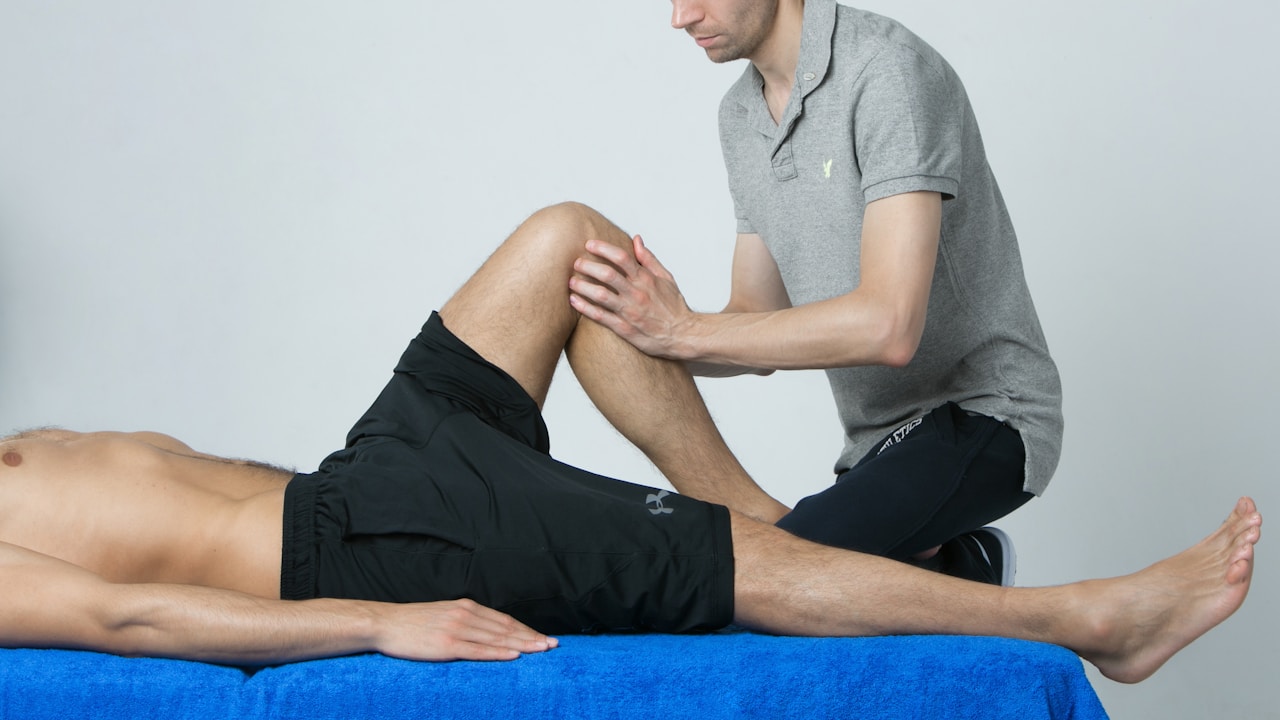
Physical therapy can offer personalized exercises and techniques to improve hip function and reduce pain. A physical therapist can tailor a program to address specific needs and help patients regain mobility and strength.
7. Stay Hydrated
Proper hydration is essential for joint health, as it helps maintain the lubrication of the joints. Drinking adequate water daily can prevent stiffness and support overall joint function.
8. Avoid Prolonged Sitting
Sitting for extended periods can lead to stiffness and increased hip pain. Taking regular breaks to stand, stretch, and move around can help keep the hips flexible and reduce discomfort.
9. Consult a Healthcare Professional
If hip pain persists despite these measures, it is important to consult a healthcare professional. They can provide a comprehensive evaluation and recommend appropriate treatments, such as medication or surgical options, if necessary.
Sources
- Hip Pain Is Common With Age, But These 9 Habits Can Help - This article outlines habits to manage hip pain effectively.








Be the first to comment.