

Cutting-edge Surgery Could Fix a 12-year-old's Scoliosis, but Insurance Denies Coverage
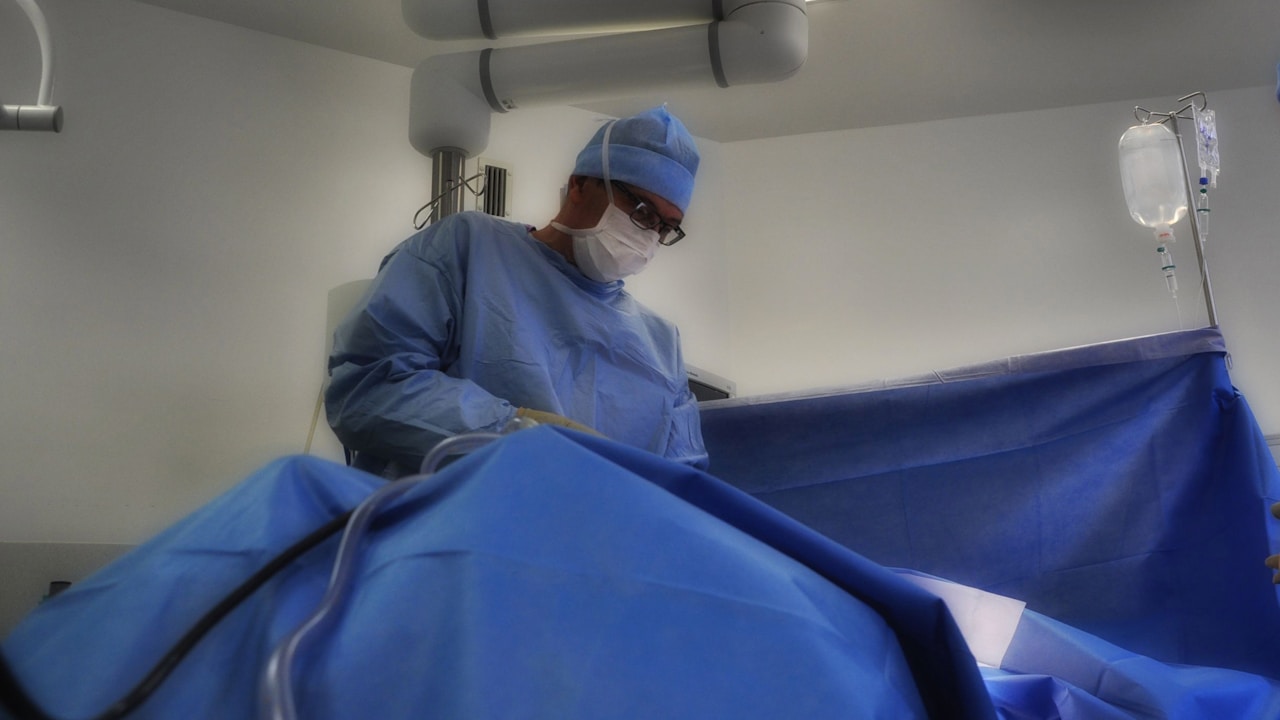
A new surgical procedure that promises to correct scoliosis in children has been denied coverage by insurance companies, leaving families in a difficult position. The surgery, known as vertebral body tethering (VBT), is being considered for a 12-year-old girl suffering from scoliosis. However, her insurance company has refused to cover the procedure, citing its novelty and lack of long-term data as reasons for the denial.
Scoliosis is a condition characterized by an abnormal curvature of the spine, which can lead to severe physical deformities and health issues if left untreated. Traditional treatments for scoliosis include bracing and spinal fusion surgery, which have their own sets of limitations and potential complications. VBT offers a less invasive alternative that allows for continued growth and flexibility of the spine, making it particularly appealing for pediatric patients.
The girl's family and medical team believe that VBT is the best option for her condition. Unlike spinal fusion, which involves permanently joining vertebrae, VBT uses a flexible cord to gradually correct the spine's curvature while allowing for normal growth. This approach has been praised for its potential to maintain mobility and reduce recovery time compared to traditional methods.
Despite its promise, VBT is considered experimental by many insurance companies. The procedure received FDA approval in 2019, but insurers argue that there is insufficient evidence of its long-term effectiveness and safety. This has led to widespread denials of coverage, forcing families to either pay out-of-pocket or seek alternative treatments.
The girl's family is now faced with the difficult decision of how to proceed. They are considering various options, including appealing the insurance company's decision and exploring financial assistance programs. The situation highlights the challenges faced by families seeking cutting-edge medical treatments that are not yet widely accepted by insurance providers.
Medical professionals and advocates for scoliosis patients are calling for more research and data on VBT to help establish its efficacy and safety. They argue that insurance coverage is crucial for making the procedure accessible to more patients who could benefit from it.
The case underscores a broader issue in the healthcare system, where new and potentially life-changing treatments can be slow to gain acceptance and coverage. As medical technology continues to advance, similar challenges are likely to arise, necessitating a balance between innovation and evidence-based practice.
Sources
- Cutting-edge surgery could fix a 12-year-old's scoliosis. Insurance says it's too new to cover. - An article discussing the denial of insurance coverage for a novel scoliosis surgery.









Be the first to comment.